Buying your first home in Arizona City can feel exciting and a little overwhelming. You want a place that fits your budget and lifestyle, but you also need clear steps, real numbers, and local know-how. You will find both suburban and semi-rural properties here, which means a few extra checks around utilities, inspections, and financing. This guide walks you through loan options, the buying timeline, key inspections, and practical checklists tailored to Arizona City so you can move forward with confidence. Let’s dive in.
Why Arizona City works for first-time buyers
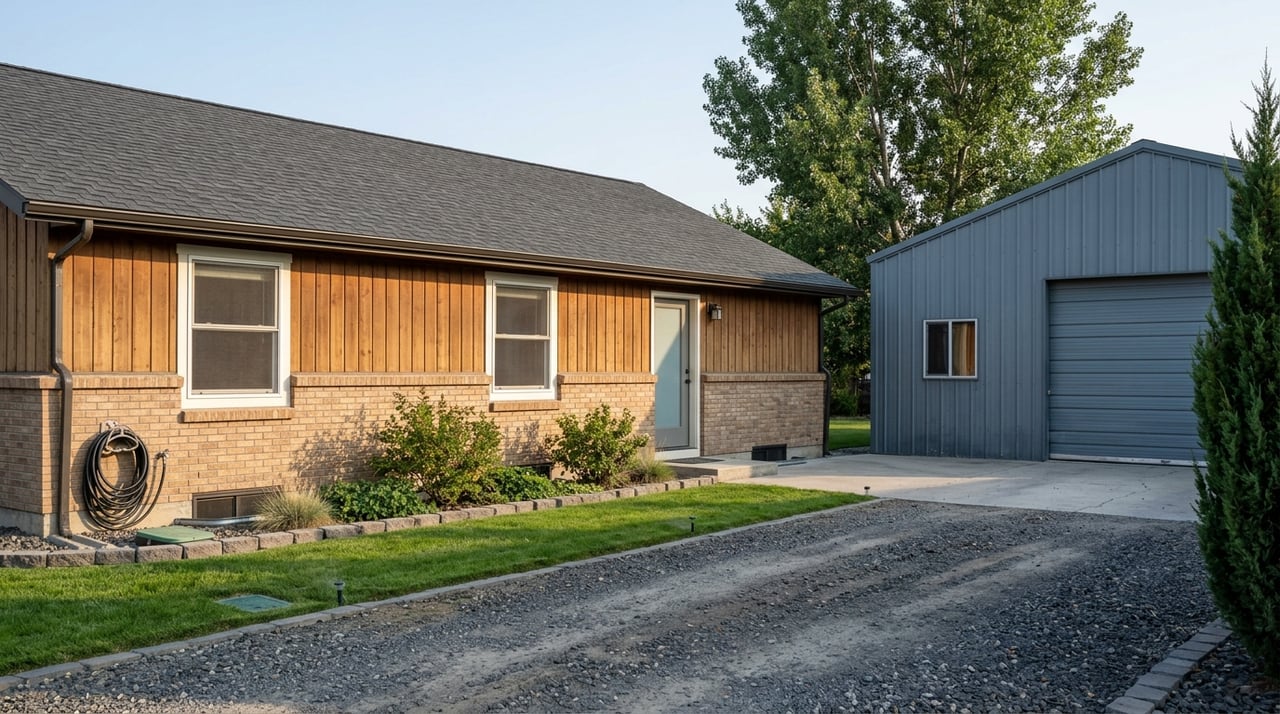
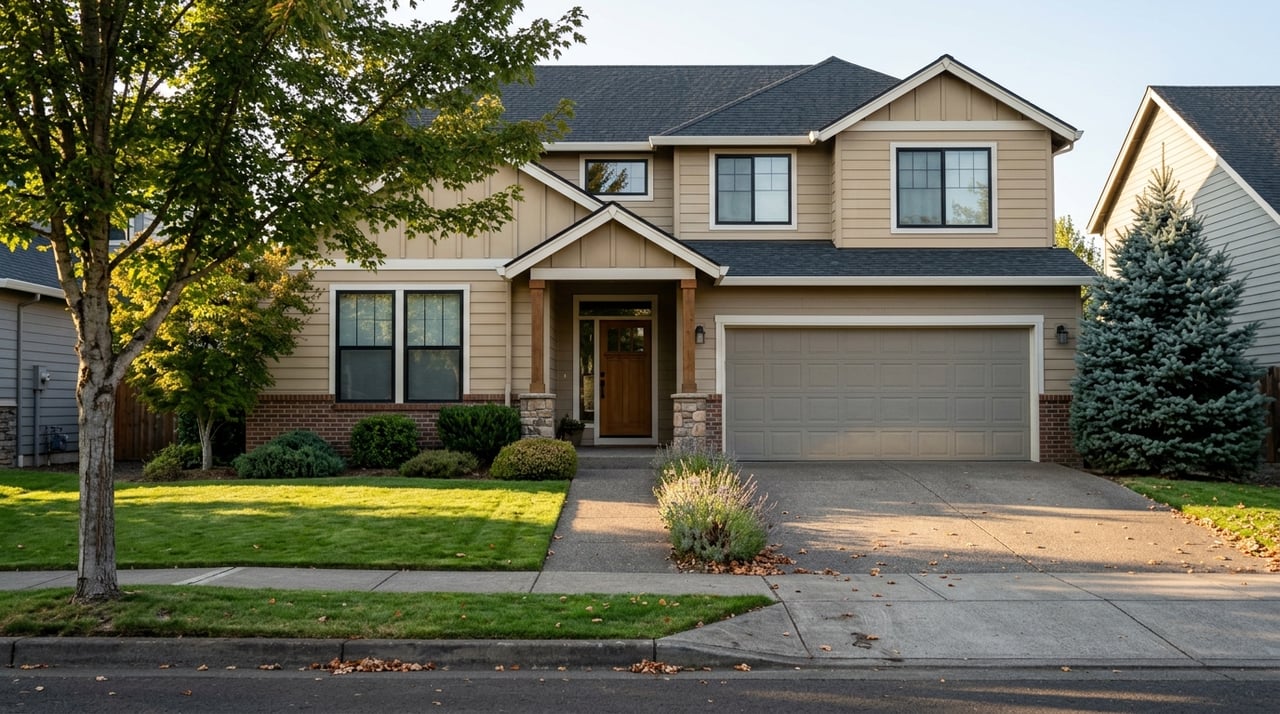
Arizona City sits in Pinal County along the I-10 corridor between Phoenix and Tucson. You will see a mix of single-family homes, manufactured homes, and newer subdivisions. Many buyers choose the area for value and space, then weigh commute time and fuel costs to nearby job centers.
You will also find a range of property setups. Some homes are connected to municipal or district utilities. Others may use private wells and septic systems. That split makes early due diligence important.
Property taxes vary by county and tax district in Arizona. Before you make an offer, review current assessment schedules and any special districts through the Pinal County portals. Arizona does not have a statewide real estate transfer tax, though standard recording and closing fees apply.
Seasonal rhythms matter. Home search activity often slows during peak summer heat, and monsoon season can expose roof and drainage issues that you will want to catch during inspections.
Get your financing ready
Loan options you can use
- FHA loans. These are popular with first-time buyers because of flexible credit guidelines and low down payment minimums. Learn more about FHA-backed mortgages through HUD’s resources or program details at FHA.gov.
- Conventional loans. Some programs allow as little as 3 percent down for first-time buyers, with private mortgage insurance when you put less than 20 percent down.
- VA loans. If you are eligible as a veteran or active-duty service member, VA loans often allow little to no down payment. Check benefits at VA.gov.
- USDA Rural Development loans. Many parts of Pinal County fall within USDA-eligible areas. These loans can offer zero down for qualifying buyers and properties. Confirm eligibility on the USDA Rural Development site.
Down payment help in Arizona
Arizona offers statewide down payment and closing cost assistance that may pair with your mortgage. Program terms, income limits, and purchase price caps change, so review current options directly with the Arizona Housing Finance Authority and the Arizona Department of Housing. Your lender can help you confirm which programs you qualify for.
What lenders will ask for
Start your pre-approval early. Most lenders request:
- Government ID and Social Security number
- Last 2 years of federal tax returns and W-2s
- Recent pay stubs for 30 days
- Bank and asset statements for 2–3 months
- A list of debts, including student loans, auto loans, and credit cards
- Proof of funds for your down payment and a gift letter if funds are gifted
Credit expectations vary by lender and program. FHA commonly allows 3.5 percent down for borrowers with credit scores at 580 or higher, while many conventional programs price best in the mid-600s and above. Lenders also review your debt-to-income ratio, reserves, and employment history. Ask whether your lender has additional overlays on top of federal program minimums.
What you will pay at closing
First-time buyers in Arizona typically see total closing costs in the range of 2 to 5 percent of the purchase price. Costs include lender fees, title and escrow fees, recording fees, prepaid property taxes and homeowner’s insurance, and escrow prorations. The Consumer Financial Protection Bureau’s closing cost guide is a helpful reference while you compare loan estimates.
If you put less than 20 percent down on a conventional loan, you will likely have private mortgage insurance. FHA loans include mortgage insurance premiums. Ask your lender to provide both your interest rate and the Annual Percentage Rate so you can compare offers accurately.
Your step-by-step timeline in Arizona
Here is what a typical path looks like for a financed purchase in Arizona City:
- Get pre-approved. 1 to 7 days if your documents are ready.
- Shop and make offers. This varies. It can take weeks or months depending on inventory and your criteria.
- Go under contract. You will deposit earnest money, often 1 to 3 percent of the purchase price. It is held in escrow and credited to you at closing.
- Inspection period. Commonly 7 to 14 days, negotiated in your contract.
- Appraisal and underwriting. Your lender orders the appraisal after you are in escrow. Underwriting verifies income, assets, title, and property eligibility.
- Title and escrow. In Arizona, title companies handle the title search, issue title insurance, and coordinate with escrow to manage funds and documents. See the Arizona Department of Real Estate for consumer guidance on the closing process.
- Closing day. Many financed transactions close in 30 to 45 days after contract acceptance, depending on lender turn times and any repair or documentation delays.
Contingencies for financing, appraisal, inspection, and title will be defined in your purchase contract, including deadlines and remedies. Pay close attention to these dates so you keep your protections in place.
Inspections and checks that matter in Arizona City
Core inspection items
Schedule a general home inspection right away within your inspection window. Inspectors will evaluate the roof, structure, plumbing, electrical, HVAC, and interior systems, along with visible signs of pests. Hire an inspector with Arizona experience, especially for desert-region issues.
Desert-specific issues to review
- Termites and wood-destroying organisms. Termite activity exists in parts of Arizona. A WDO inspection and treatment plan or clearance is common.
- Slab and soils. Expansive soils and slab cracks can occur. If your inspector flags concerns, a structural engineer can advise on severity.
- HVAC and cooling. Test cooling capacity and ductwork performance. Evaporative coolers, if present, should be checked.
- Pools and spas. Order a pool inspection for equipment, structure, and safety features when applicable.
- Wells and septic systems. Some Arizona City properties are on private systems. Order a septic inspection and pump records, and arrange water-quality testing and a well flow test if there is a private well.
- Drainage and flood risk. Use the FEMA Flood Map Service Center to check floodplain status and consider monsoon-season drainage.
- Roof and stucco. Look for stucco cracks and flashing issues that can lead to water intrusion.
Appraisal realities for rural or unique homes
Comparable sales can be limited for larger parcels, manufactured homes, or unique layouts. Appraisers will use the best available comps within lender rules, which can create valuation gaps. If the appraisal comes in low, you can negotiate a price adjustment, bring additional down payment, or provide recent comparable data to support a reconsideration.
Utility and HOA verification checklist
- Confirm if the property is connected to a municipal or special-district water system or a private well.
- Confirm sewer connection or septic system and request any compliance documentation.
- If the home is in an HOA, request CC&Rs, fee schedules, budgets, and recent meeting minutes before you remove your HOA contingency.
- Ask for history on roof, HVAC service, and any major repairs or permits.
Smart offer strategies in this market
- Get fully pre-approved, not just pre-qualified. A strong pre-approval letter helps your offer stand out.
- Be realistic about earnest money and timelines. Clear, on-time contingency dates reassure sellers.
- Consider seller concessions. You can request closing cost credits within your loan program’s limits. Ask your lender how much you can accept.
- Understand new construction differences. New builds may include warranties and build timelines, and can include HOA rules. Resales may require more thorough inspections.
Quick checklists
Documents to gather before you call a lender
- Photo ID and Social Security number
- 2 years of federal tax returns and W-2s
- 30 days of recent pay stubs
- 2–3 months of bank and asset statements
- A list of monthly debts
- Proof of down payment funds and gift letter if applicable
Questions to ask your real estate agent
- What are the current inventory trends and time on market in Arizona City and nearby areas?
- Are there common inspection items or repair patterns to expect in this neighborhood or property type?
- Which local lenders, inspectors, and title companies do you recommend for Pinal County transactions?
- Is the home in a floodplain, on a well or septic, or within an HOA with specific rules or assessments?
Questions to ask your lender
- Which first-time buyer programs and state or local assistance options do you offer?
- What are my estimated rate, APR, payment, and total closing costs?
- What credit score and debt-to-income ratio do you require for my loan options?
- Do you have any overlays above program minimums?
- What is your average time from approval to clear-to-close, and what documentation causes delays?
Inspection and contingency steps
- Order the general home inspection and WDO inspection immediately.
- If there is a well, schedule water quality and well flow tests.
- If there is a septic system, obtain a septic inspection and available pump records.
- Request HOA documents early and review them before removing your HOA contingency.
- If the appraisal is low, prepare to negotiate price, adjust down payment, or provide comps.
Move forward with a local guide
Buying your first home is a big milestone. With a solid pre-approval, a clear inspection plan, and the right local team, you can navigate Arizona City’s mix of suburban and semi-rural properties with confidence. If you are ready to take the next step, connect with Jan Larison to get a personalized game plan and schedule a Free Consultation.
FAQs
How long does it take to buy a home in Arizona City?
- Many financed purchases close about 30 to 45 days after contract acceptance, assuming timely inspections, appraisal, and lender underwriting.
What closing costs should a first-time buyer expect in Arizona?
- Total buyer closing costs commonly range from 2 to 5 percent of the purchase price and include lender, title, escrow, recording, and prepaid items, per the CFPB’s guidance.
Are USDA loans available in Pinal County near Arizona City?
- Many areas are USDA-eligible based on address and income; confirm details on the USDA Rural Development site.
Who handles closings in Arizona?
- Title and escrow companies coordinate funds, documents, and title insurance, with consumer guidance available through the Arizona Department of Real Estate.
Do I need a termite inspection in Arizona City?
- A WDO inspection is common in Arizona because termite activity exists in many parts of the state; address treatment or clearance during your inspection period.
How do I check property taxes and assessments in Pinal County?
- Review parcel information and tax calendars through the Pinal County portals and confirm any special assessments with the county before you remove contingencies.