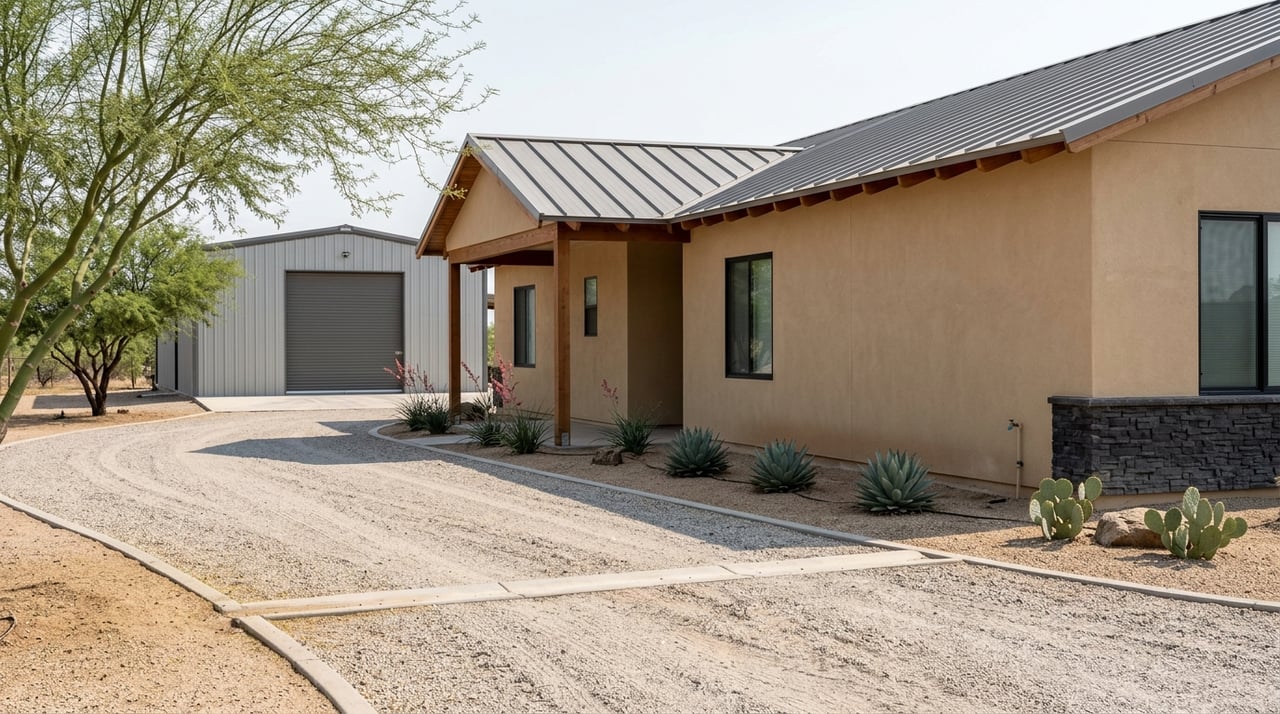
Selling a home on acreage in Arizona City can be very different from selling a typical suburban property. Buyers often look beyond the house itself and start asking detailed questions about access, water, septic, fences, easements, and floodplain status. If you prepare those answers before your home hits the market, you can reduce surprises, build buyer confidence, and make your property easier to understand. Let’s dive in.
Why acreage sales work differently
Arizona City is an unincorporated community in Pinal County, which means many land-use questions are handled at the county level instead of through a city government. Pinal County’s Planning Division oversees zoning, subdivision matters, site plans, minor land divisions, addressing, and variances.
That matters because rural and acreage buyers usually want clear, parcel-specific information. Pinal County also notes that it does not verify utility service areas for individual properties, so sellers need to confirm details directly rather than relying on assumptions.
Confirm utilities before you list
One of the biggest mistakes acreage sellers can make is assuming utility service is obvious. In Arizona City, the setup can vary from one parcel to the next, especially when larger lots are involved.
Arizona City Sanitary District provides wastewater collection and treatment service in Arizona City, but not every parcel should be assumed to be connected. Arizona Water Company’s service-area tools can help confirm whether a property falls within a regulated water service area.
Before listing, it helps to verify whether your property is:
- Connected to sewer
- Served by a septic system
- On a water utility line
- Supplied by a private well
- Already set up with electrical service tied to a primary use
When you can clearly document these items, buyers have fewer unanswered questions and your listing feels more credible from the start.
Access can make or break a sale
For acreage properties, legal and practical access are often just as important as the home itself. Buyers want to know how they reach the property, who maintains the road, and whether access is formally recognized.
According to Pinal County’s Subdivision and Infrastructure Design Manual, any new access onto an existing county roadway requires a Right-of-Way Use Permit. The county also states that it does not take over maintenance of new dirt roads.
That means you should be ready to explain:
- Whether the road is public or private
- Whether the driveway access is existing and legal
- Whether the road is paved, chip-sealed, dirt, or otherwise improved
- Whether there is any known maintenance arrangement for private access roads
If access is straightforward and well documented, buyers can move forward with more confidence.
Gather the right documents early
A strong acreage listing package starts with the property’s legal identity. Pinal County’s property identification guidance explains that property can be identified through a street address, Assessor’s parcel number, or legal description.
For acreage, those basics are only the starting point. The county also notes that it cannot advise on legal access and refers owners to a title company, and it states that easements can affect what can be built on a parcel and may reduce value.
Before you list, it is smart to gather:
- Assessor’s parcel number and legal description
- Any recorded survey or boundary information
- Title information related to access or easements
- Utility records or provider correspondence
- Septic records, if applicable
- Well documentation, if applicable
- Permit records for sheds or other improvements, where available
This kind of preparation helps you answer serious buyer questions quickly and accurately.
Septic and sewer records matter
If your property is not connected to sewer, septic documentation becomes especially important. The Arizona Department of Environmental Quality explains that onsite wastewater treatment facilities, commonly called septic systems, are common in Arizona and that counties issue septic permits on ADEQ’s behalf.
Pinal County includes septic permit forms, transfer forms, and a presale inspection form through its applications process. The county also notes that if a property does not have a sewer connection option, the owner must apply for a septic permit and complete a site inspection by a qualified inspector.
For sellers, this means septic paperwork should not be an afterthought. If you have installation records, inspection paperwork, repair history, or transfer-related forms, keeping them organized can help support a smoother transaction.
Water details deserve equal attention
Water is one of the first things knowledgeable acreage buyers will ask about. If your property has utility water, buyers will want to know the provider. If it has a well, they will want to know what records exist and how the property is served.
The Arizona Department of Real Estate buyer checklist advises land buyers to ask about water reports, water supply status, and the potential cost of drilling a well if needed. Since Pinal County does not verify utility service areas parcel by parcel, your documentation matters even more.
Useful records may include:
- Water provider information
- Service confirmation for the property address
- Well registration details, if applicable
- Prior utility correspondence
- Notes about how the home and land are currently served
The more specific you are, the easier it is for buyers to assess the property realistically.
Check fences, sheds, animals, and RV use
Acreage buyers often care about how the land can be used, not just how the home looks. That is why practical site features like fencing, storage sheds, and animal use can influence both marketing and negotiations.
Pinal County’s FAQs explain that shed placement may be regulated and may require permits. The county also outlines fence-height rules in certain locations and states that livestock and horse counts depend on lot size and zoning.
The same county guidance also says park models or RVs are not allowed on a vacant parcel unless a limited temporary-use exception applies to an owner-builder with a valid building permit. If your listing includes animal facilities, fencing, or accessory structures, it helps to verify what is present and avoid making broad claims that are not supported.
Don’t overlook floodplain issues
Floodplain concerns can affect buyer interest, insurance questions, and future plans for the property. This is especially important on larger parcels where drainage patterns or accessory structures may come into play.
Pinal County’s floodplain permitting page says that development in a floodplain requires a Floodplain Use Permit before construction begins. The county also notes that even single-lot residential development or accessory buildings may require a separate floodplain permit.
If your property has known drainage concerns, lies in or near a floodplain, or includes structures added over time, checking this early can save time later. Buyers appreciate transparency when they are evaluating risk and future use.
Market the land with specifics
When it comes to acreage, vague marketing usually creates more questions than interest. Buyers respond better when a listing clearly explains what is verified and what still needs review.
The ADRE buyer checklist for home or land purchases highlights many of the issues buyers are told to confirm, including water supply, utility sources, legal access, adjacent land uses, and CC&Rs. A good acreage listing should help answer those questions up front.
The strongest marketing points are often the most concrete ones, such as:
- Verified acreage
- Usable acreage versus total acreage
- Road type and access setup
- Fence condition and gate access
- Sewer or septic status
- Water source
- Power status
- Outbuildings or improvements
- Known zoning or animal-use information
Clear maps, aerial views, and boundary information can also make a listing easier to understand. Since Pinal County treats the APN, address, and legal description as core identifiers, accurate property visuals can be especially helpful when you are selling a home on a larger parcel.
Know the rules for splits or multiple parcels
Some acreage owners want to market future flexibility, a possible split, or a sale involving more than one parcel. If that applies to your property, it is important to verify the rules before advertising development potential.
Pinal County’s Minor Land Division information states that the process applies to divisions of five or fewer lots, parcels, or fractional interests when any parcel is 10 acres or smaller in unincorporated county areas. That makes boundary and parcel documentation important if you are thinking about selling part of a property.
There is also a disclosure issue to keep in mind for larger offerings. ADRE says a Public Report may be required before offering six or more lots or parcels in a subdivision. Even when a formal Public Report is not required, buyers still tend to ask about the same topics covered in that process, including drainage, utilities, taxes, and nearby land uses.
What buyers will ask first
Most acreage buyers in Arizona City are trying to reduce uncertainty. They are not just buying a home. They are evaluating the full property setup and how easy it will be to own, use, and maintain.
Expect questions like these:
- Is the property on sewer or septic?
- Who provides water, or is there a well?
- Is access legal and recorded?
- Is the road publicly maintained, privately maintained, or unimproved?
- Are fences, sheds, or other structures properly located?
- What is allowed for animals or other land use?
- Is any part of the property affected by floodplain concerns?
- Are there easements that affect use or value?
If you can answer these clearly from day one, you put your property in a stronger position.
A smart selling strategy for Arizona City acreage
Selling acreage in Arizona City is usually less about flashy language and more about organized facts. The county and state guidance all point to the same practical strategy: verify the details parcel by parcel, document what you know, and present the property with clarity.
When buyers can quickly understand access, utilities, wastewater, easements, fences, animal-use questions, and floodplain status, they are more likely to engage seriously. And when your listing package is complete, the sale process often feels more efficient and less stressful.
If you are preparing to sell a home on acreage in Arizona City, working with a team that understands rural property details can make a real difference. Jan Larison can help you organize the right information, position your property clearly, and bring it to market with a practical strategy built for acreage sales.
FAQs
What makes selling a home on acreage in Arizona City different?
- Acreage sales in Arizona City often require more parcel-specific verification on access, utilities, septic or sewer, easements, fencing, animal use, and floodplain status because many issues are handled through Pinal County rather than a city government.
What utility details should Arizona City acreage sellers confirm before listing?
- You should confirm whether the property is connected to sewer, served by septic, connected to a water provider, supplied by a private well, and set up with electrical service tied to a primary use.
What access information do buyers want for Arizona City acreage homes?
- Buyers usually want to know whether access is legal and recorded, whether the road is public or private, what type of road serves the property, and whether there is any known maintenance responsibility.
What documents help most when selling acreage in Pinal County?
- Helpful documents include the APN, legal description, survey or boundary records, title information related to easements or access, water and utility records, septic paperwork, and any available permit records for improvements.
Why should Arizona City acreage sellers check floodplain status early?
- Floodplain status can affect permits, buyer decisions, and future property use, and Pinal County states that development in a floodplain may require a Floodplain Use Permit.
Can a seller advertise split potential for acreage in Arizona City?
- You should verify any split or multi-parcel marketing against Pinal County minor land division rules and ADRE disclosure requirements before making those claims in the listing.