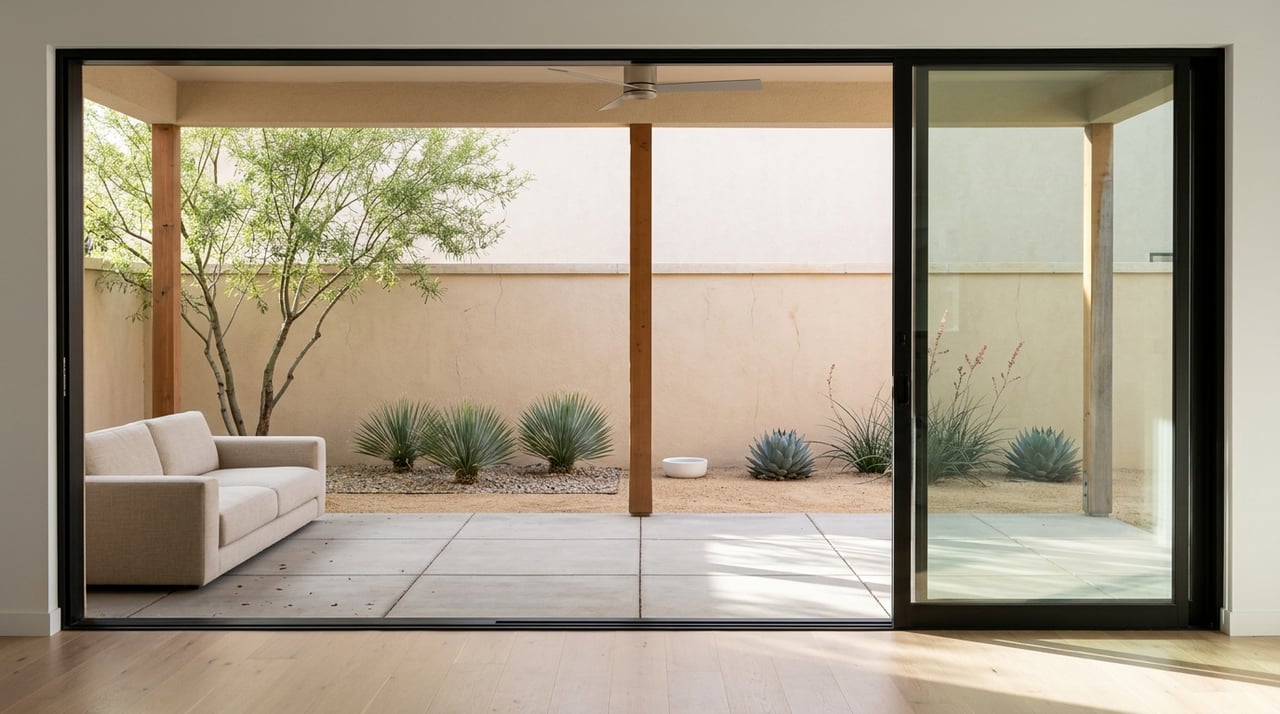
Wondering where to set up your Arizona home base for the season? If you are planning winter time in the desert, the right choice is usually not about finding one "best" city. It is about choosing the place that fits how you want to live, travel, stay active, and manage your property when you are away. This guide will help you weigh the key factors so you can narrow your search with more confidence. Let’s dive in.
Start With Climate First
Arizona is not one-size-fits-all when it comes to weather. Climate changes a lot across the state, and elevation plays a major role in how warm, cool, dry, or snowy a place feels.
According to the Arizona State Climate Office, Arizona ranges from arid to semi-arid conditions, with annual precipitation from about 3 inches in Yuma to around 40 inches in the White Mountains. The southwestern desert usually sees winter daytime temperatures in the lower 60s, while summer daytime temperatures often run between 105°F and 115°F. That is a very different experience from higher elevations.
The University of Arizona Extension also notes that elevation shapes temperature, rainfall, and local microclimates. Phoenix Metro and Yuma fall into the warmest desert zones, Tucson is in a slightly cooler desert zone, and Flagstaff is in a much colder zone with winter temperatures that can drop to -10°F to -5°F.
If your main goal is warm, predictable winter weather, the low desert often makes the most sense. If you want cooler summers and do not mind colder winters or possible snow, higher-elevation areas may be worth a look. For most snowbirds, that trade-off is the first and most important decision.
Tucson Offers a Middle Ground
If you are trying to find a balance between warmth and heat, Tucson may stand out. NOAA climate normals show Tucson has a January average high of 66.5°F and a July average high of 100.2°F.
Tucson also averages about 68 days at or above 100°F each year. That helps show why many buyers see southern Arizona as warm in winter without matching the hottest low-desert conditions found elsewhere in the state.
Think About Healthcare Early
Healthcare access should be part of your home search from day one. If you are living in Arizona part of the year, quick access to routine care, urgent care, emergency services, and specialty care can matter just as much as views or amenities.
Phoenix and Tucson both serve as major medical hubs. Banner–University Medical Center Phoenix is a 755-bed tertiary teaching hospital and major referral center. In Tucson, Banner–University Medical Center Tucson is Southern Arizona’s only Level I trauma center, and Tucson Medical Center is a 600-plus-bed system with emergency and specialty care.
That level of access is not the same across the whole state. Arizona’s Rural Health Transformation Program reports that more than 786,000 Arizonans live in rural areas where healthcare access is strained, the nearest hospital averages 20 miles away, and some areas have very limited behavioral health access.
For seasonal owners, this matters in practical ways. A home base near a strong healthcare network can make routine appointments easier and reduce stress if an unexpected issue comes up while you are in town.
Review Public Report Details
The Arizona Department of Real Estate advises buyers to review the Public Report for important local service information. That includes medical facilities, fire protection, ambulance service, police protection, transportation, garbage service, taxes, assessments, and homeowners association details.
If you are comparing communities, this checklist can help you look beyond the home itself. It gives you a better sense of how a property functions in day-to-day life, especially if you plan to leave it vacant for part of the year.
Match Recreation to Your Routine
Arizona draws seasonal residents for a reason. The state offers a wide range of outdoor recreation, and your ideal home base should support the way you actually want to spend your time.
Visit Arizona says the state has more than 300 golf courses and roughly that many sunny days per year. Golf is a major part of the state’s recreation culture, and the Arizona Golf Association’s role as the governing body for amateur golf underscores how central the sport is in many Arizona markets.
But golf is only part of the picture. The National Park Service describes Arizona as an outdoor haven with opportunities for hiking, boating, wildlife watching, and camping. It also reports that visitors to Arizona’s national parks spent $1.4 billion in the state in 2024, producing a $2.2 billion cumulative economic benefit.
That means your search should go beyond the property line. A great snowbird location may be one that keeps you close to trail systems, golf, park access, or the outdoor activities you know you will use most.
Compare Drive Time, Not Just Amenities
It is easy to focus on clubhouse features or neighborhood extras. Those can matter, but your day-to-day lifestyle is often shaped more by what is nearby and how easy it is to reach.
As you compare Arizona home bases, consider:
- Drive time to golf courses
- Access to hiking and trail networks
- Proximity to parks and public outdoor spaces
- Distance to day-trip destinations
- Convenience for dining, shopping, and everyday errands
A home can look perfect on paper and still feel inconvenient if every activity requires a long drive.
Understand Lock-and-Leave Living
Many snowbirds want a property that is easy to maintain while they are away. In Arizona, that often points buyers toward condos, townhomes, or homes in planned communities with association management.
The Arizona Senate Research Staff explains that owners in planned communities and condominiums generally belong to an association, pay mandatory assessments, and live under CC&Rs, bylaws, and rules. In condominium communities, common elements often include exterior walls, walkways, and shared amenities.
That setup can support a part-time lifestyle well. If exterior maintenance and common-area upkeep are handled through the association, you may have less to worry about when you head home for the season.
Still, low-maintenance does not mean no-rules. The Arizona Department of Real Estate notes that CC&Rs may limit things like landscaping, RV parking, play equipment, satellite antennas, and other common property uses.
Questions To Ask About HOA Living
Before you buy, make sure you understand what the association actually covers and what it expects from you. A little homework now can help you avoid surprises later.
Ask about:
- Monthly or quarterly assessments
- Exterior maintenance responsibilities
- Community facilities and shared amenities
- Utility providers
- Property use restrictions in the CC&Rs
- Rules that may affect seasonal occupancy or property changes
For many snowbirds, association-managed living is a strong fit. The key is making sure the rules, fees, and services match your needs.
Do Not Overlook Travel Convenience
Travel logistics can shape your Arizona experience more than you expect. If you plan to fly in and out several times a year, airport access and major highway connections may deserve a high spot on your priority list.
Phoenix Sky Harbor reports service from 24 airlines, with nonstop flights to more than 130 domestic destinations and 26 international destinations. Tucson International Airport reports service from seven airlines, with nonstop service to 19 U.S. destination airports and more than 400 one-stop destinations worldwide.
For many seasonal residents, that kind of access is a major advantage. It can make it easier to visit family, host guests, or adjust travel plans without adding long drives on either end of the trip.
Road access matters too. ADOT identifies I-10 as the corridor connecting Phoenix and Tucson, and I-17 as the north-south route linking Phoenix and Flagstaff. ADOT also notes that I-17 gains more than a mile of altitude between Phoenix and Flagstaff, and winter weather can affect travel times there.
Transportation Can Change the Best Fit
A home that feels peaceful and scenic may still be less practical if it is far from a major airport or interstate. If you expect frequent travel, convenience may be just as important as home style or neighborhood design.
As you narrow your options, think about:
- How often you expect to fly
- Whether you prefer nonstop routes
- How far you want to drive after landing
- Whether winter road conditions could affect trips
- How easy it will be for friends or family to visit
How To Choose Your Arizona Home Base
The best Arizona home base for snowbird living usually comes down to balancing five core priorities. Once you know your order of importance, your search gets much easier.
Here is a simple framework to use:
- Climate: Do you want the warmest winter possible, or a milder year-round feel?
- Healthcare: How important is quick access to hospitals, urgent care, and specialists?
- Recreation: What activities will shape your weekly routine?
- Maintenance: Do you want true lock-and-leave simplicity?
- Travel: How often will you fly or drive in and out of Arizona?
If warm winter days are your top goal, low-desert areas may rise to the top. If you want a balance of winter comfort and somewhat less intense heat, southern Arizona may deserve a closer look. If you care most about cooler weather, higher-elevation communities may appeal to you, but you will need to account for colder winters and possible snow.
The good news is that Arizona gives you real choices. The better news is that once you focus on how you want to live, not just where you want to be, the right home base becomes much easier to spot.
If you are exploring Arizona real estate and want a practical second opinion on which type of home or community best fits your seasonal plans, Jan Larison is here to help you refine your search with clear, straightforward guidance.
FAQs
What climate should you expect for snowbird living in Arizona?
- Arizona climate varies widely by elevation. Low-desert areas like Phoenix Metro and Yuma are warmer in winter, Tucson is slightly cooler, and higher-elevation places like Flagstaff have much colder winters and possible snow.
What healthcare access should you consider when choosing an Arizona home base?
- You should consider proximity to hospitals, urgent care, and specialty care. Phoenix and Tucson have major medical hubs, while many rural areas have longer travel times and fewer providers.
What makes an Arizona home good for lock-and-leave living?
- A property in a planned community or condominium association may be easier to manage seasonally because associations often handle some shared spaces or exterior elements, but you should review fees, CC&Rs, and maintenance responsibilities carefully.
What recreation options matter for Arizona snowbirds?
- Many buyers look for access to golf, hiking, parks, boating, wildlife watching, and other outdoor activities. It helps to compare drive times to the places you will use most often, not just neighborhood amenities.
What travel factors should you weigh for an Arizona seasonal home?
- You should look at airport access, available nonstop routes, interstate connections, and possible winter road issues in higher-elevation areas. These details can make a big difference if you travel often.
What should you review before buying in an Arizona community with an HOA?
- You should review the Public Report, association fees, community facilities, utility providers, and the CC&Rs that may restrict property use, parking, landscaping, or certain exterior changes.