If you picture Boise Foothills living as a scenic backdrop you visit on weekends, you may be missing what makes it special. For many people, the foothills shape the pace of the whole day, from an early trail run to sunset views over the valley. If you are wondering what it is really like to live near this edge of Boise, this guide will walk you through trail access, housing patterns, daily routines, and what sets the foothills apart. Let’s dive in.
Why Boise Foothills living feels different
The Boise Foothills sit where Boise’s neighborhoods meet a steep public-land trail system. The broader foothills management area spans about 85,000 acres, and Ridge to Rivers described the trail network as more than 210 miles in a 2023 update.
That scale matters because the foothills are not just a view. Boise’s policy framework treats open space, wildlife habitat, viewsheds, and recreation as core planning goals. In practical terms, that means many buyers are drawn here for a lifestyle tied closely to the land.
Trail access is part of daily life
One of the biggest draws is how easy it can be to reach the trails from close-in Boise. Areas like Camel’s Back and Hulls Gulch, Military Reserve, and Hillside to Hollow are part of the city-managed network, with access points near the urban core.
Military Reserve is noted for direct access from downtown Boise. Camel’s Back and Hulls Gulch can be reached from trailheads near downtown as well, which helps explain why the foothills often feel woven into everyday city life rather than set apart from it.
Popular trail areas to know
Each area offers a slightly different experience, but all contribute to the foothills lifestyle.
- Camel’s Back and Hulls Gulch: Known for close-in access and a steep climb to a viewpoint.
- Military Reserve: A major trail area with direct connection to downtown Boise.
- Hillside to Hollow: A 260-acre open-space reserve known for standout views in the Ridge to Rivers system.
If you like to hike, run, ride, or simply get outside without planning a full day around it, this kind of access can be a major quality-of-life factor.
Views shape the experience
The views are not a minor perk here. City trail descriptions regularly point to sightlines that include downtown Boise, the North End, the Treasure Valley, the Owyhee Mountains, and the ridgeline.
That visual connection changes how the area feels. In the foothills, you are often aware of both city and open land at once, which gives many streets, trailheads, and homes a strong sense of place.
What the setting offers
Depending on the exact location, foothills living may include:
- Valley and downtown views
- Ridgeline and open-space backdrops
- Quick access to elevated overlooks
- A stronger connection to sun, slope, and terrain than flatter parts of Boise
For some buyers, that setting is the main reason to look here. For others, it becomes a bonus that supports an already active routine.
Recreation is built into the rhythm
The foothills support a wide mix of outdoor use. The network is used for hiking, running, mountain biking, equestrian use, and limited e-bike riding on designated motorized routes.
The city notes that about 52 miles of motorized trails and primitive roads are open to e-bikes. Other trails are managed differently, with some remaining pedestrian-only or otherwise regulated to reduce conflicts.
This range of uses helps make the foothills feel practical for everyday recreation. You do not need to leave Boise to find a meaningful outdoor routine.
Daily rhythm depends on timing
Living near the foothills often means paying attention to when trails are busiest. Ridge to Rivers says spring and fall are the peak seasons, with the heaviest use in the morning, at lunchtime, and again from 5 p.m. to dark.
Weekends are busier than weekdays, and Friday afternoon into early evening is often lighter. That kind of guidance matters because many residents plan walks, dog outings, rides, or runs around crowd levels as much as around their calendar.
A more weather-aware lifestyle
Foothills living also tends to be more weather-sensitive than life in flatter neighborhoods. Ridge to Rivers urges people to stay off muddy trails and notes that muddy use is the leading cause of trail damage.
In winter, trail use is often best early in the morning when trails are frozen. Some areas, such as Harrison Hollow, use sand and gravel surfaces and are described as more reliable in wet conditions.
That creates a daily rhythm that is a little different from a typical subdivision. Your routine may be shaped by sun exposure, trail conditions, and seasonal etiquette, not just commute time.
Housing varies by foothills area
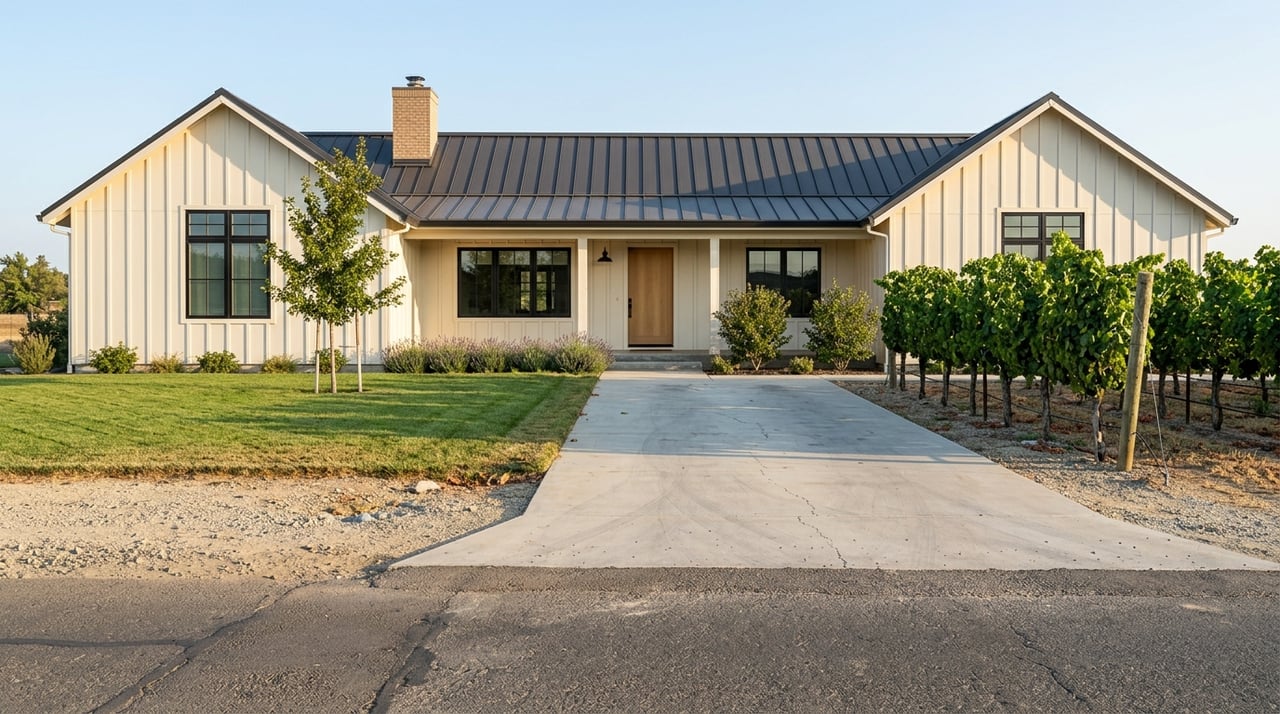
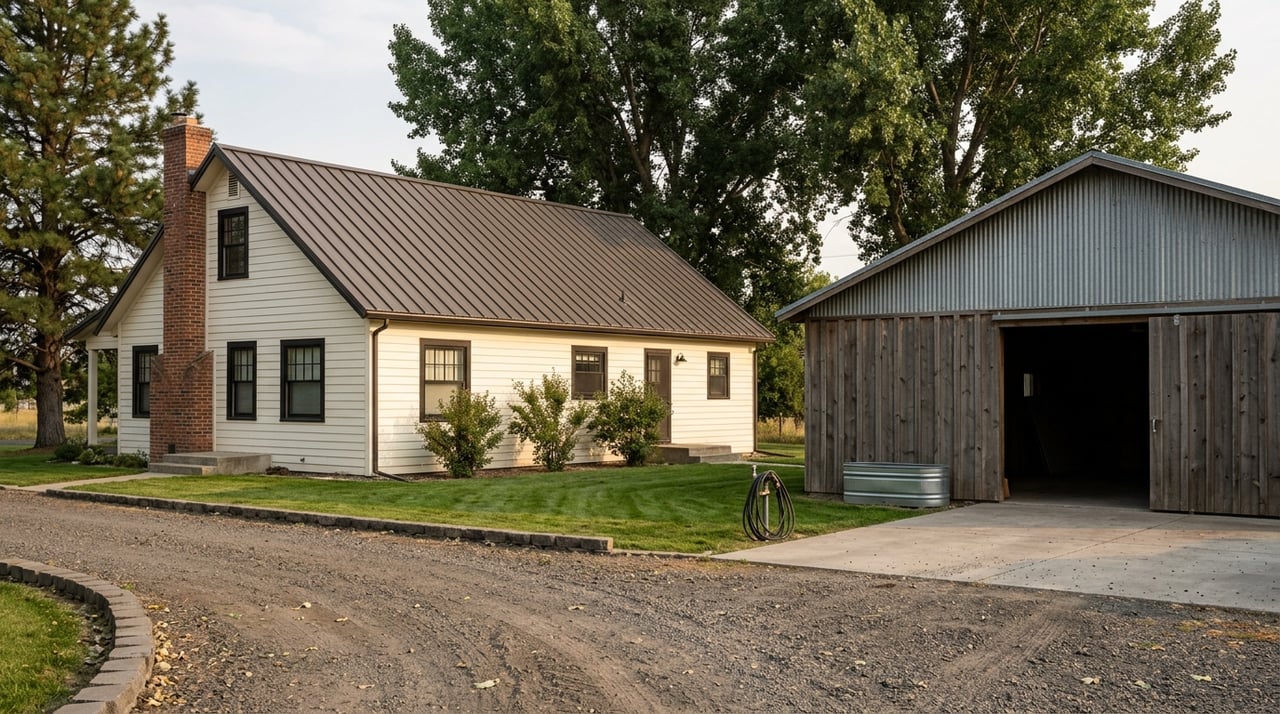
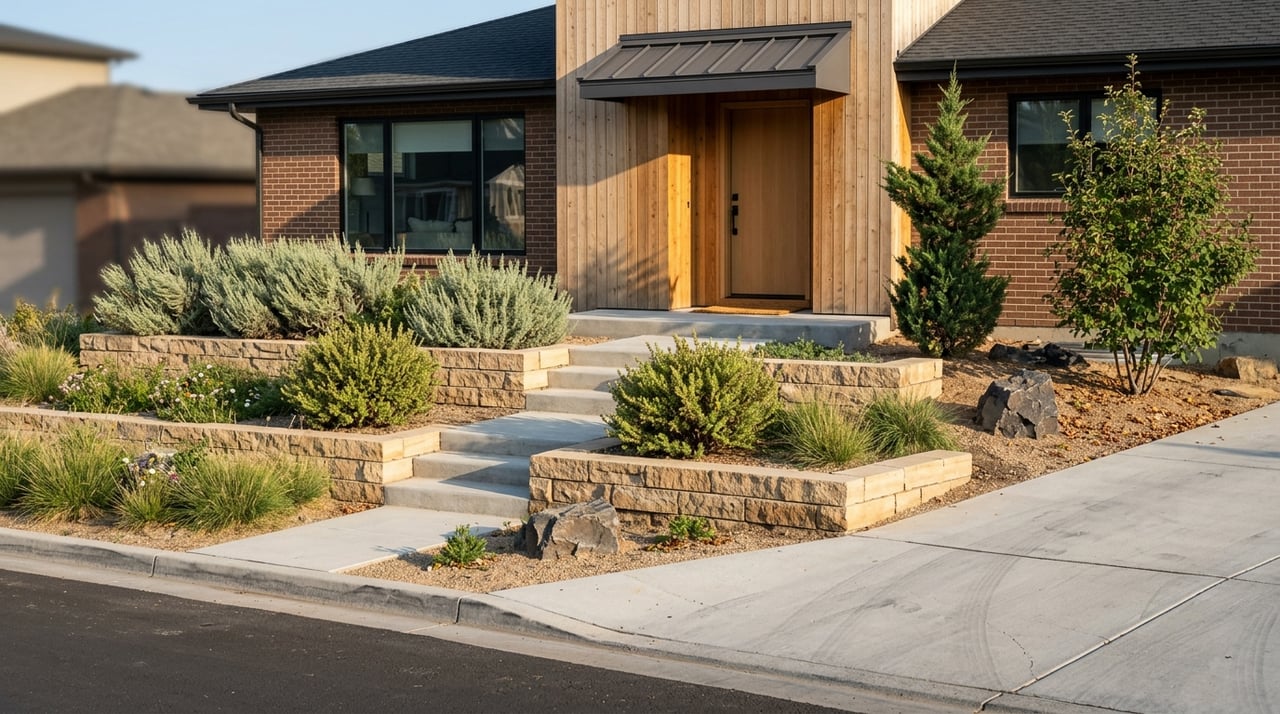
There is no single foothills housing type. Some areas close to the foothills are historic and compact, while homes farther into terrain-driven settings can feel more custom and lower-density.
That is important if you are relocating or comparing Boise neighborhoods from a distance. Two homes with a similar map pin can offer very different streetscapes, lot patterns, and day-to-day feel.
North End and East End character
The city describes the North End as Boise’s first suburban development, with modest homes, small lots, mature trees, and a mix of architectural styles including Queen Anne, Bungalow, Tudor Revival, Colonial Revival, and Ranch.
The East End is described as a predominantly single-family area with small lots, sidewalks, grassy medians, and a similar early-20th-century mix of house sizes and styles. If you want close-in access with an established neighborhood pattern, these areas often enter the conversation.
Warm Springs character
Warm Springs has a different feel. The city describes it as having a wide, tree-lined street, gracious setbacks, large lawns, and grand homes in styles such as Queen Anne, Colonial Revival, Mission Revival, and Tudor Revival.
For buyers who want foothills proximity with a more formal historic streetscape, Warm Springs stands apart from the smaller-lot pattern seen in other close-in areas.
Foothills development patterns
In the foothills themselves, development is shaped by terrain and scenic policy. Boise’s Foothills Policy Plan says buildable areas are generally under 25% grade, emphasizes preserving natural topography, and calls for development to blend into the landscape.
The same policy framework says wildfire hazards should be assessed and minimized where foothills development meets undeveloped land. That helps explain why foothills homes can feel more site-specific and terrain-driven than a typical suburban tract neighborhood.
Access to downtown and beyond
For many buyers, a big part of the appeal is that the foothills can still feel close to downtown Boise. Military Reserve is directly tied to downtown, and Valley Regional Transit Route 17 links Main Street Station with Warm Springs and Parkcenter on weekdays with 60-minute frequency.
At the same time, Boise remains a car-oriented city overall. Boise State’s Idaho Policy Institute found that 88% of daily commutes in Boise are made by car, and 60% of Boise City commuters reported travel times of 20 minutes or less.
That means foothills living is not usually a transit-first choice. Still, by Treasure Valley standards, many foothills locations feel close-in, even if the exact drive depends on the hillside, time of day, and winter road conditions.
How foothills living compares
If you are deciding between different parts of Boise, it helps to understand what the foothills are and what they are not. Compared with river-adjacent Boise, which centers more on the Boise River Greenbelt, the foothills are more about slopes, ridgelines, trailheads, and elevated views.
Compared with flatter inner neighborhoods, foothills areas often trade grid streets and tighter spacing for terrain-sensitive development and a stronger relationship to open land. Neither option is better across the board. It comes down to the kind of daily rhythm you want.
Who tends to love the Boise Foothills
The foothills lifestyle often fits buyers who want trail access, views, and a close-in feel. It can be especially appealing if you like the idea of building recreation into your week instead of saving it for weekends.
It may also suit you if you are comfortable with steep terrain, shifting weather conditions, and noticeable variation from one foothills area to the next. Buyers who expect every street to feel the same may need a more tailored neighborhood search here.
If you are exploring Boise and want help matching your lifestyle to the right part of the market, Jan Larison can help you compare neighborhoods, understand the tradeoffs, and move forward with clarity.
FAQs
What is daily life like in the Boise Foothills?
- Daily life in the Boise Foothills often revolves around trail access, weather, and time of day, with many residents planning walks, runs, rides, or outdoor time around trail conditions and peak-use periods.
What trails are near Boise Foothills neighborhoods?
- Boise Foothills neighborhoods are close to major Ridge to Rivers areas such as Camel’s Back and Hulls Gulch, Military Reserve, and Hillside to Hollow.
What kinds of homes are near the Boise Foothills?
- Homes near the Boise Foothills range from modest historic homes on small lots in areas like the North End and East End to more terrain-driven foothills properties shaped by slope, views, and scenic development policies.
Is Boise Foothills living close to downtown?
- Some Boise Foothills areas are relatively close to downtown, and Military Reserve is specifically described as having direct access from downtown Boise.
How do seasons affect Boise Foothills trails?
- Seasons affect Boise Foothills trails significantly, with spring and fall being busiest, winter use often best when trails are frozen early in the day, and muddy conditions best avoided to prevent trail damage.
Are e-bikes allowed in the Boise Foothills?
- E-bikes are allowed on designated motorized routes in the Boise Foothills, and the city notes that about 52 miles of motorized trails and primitive roads are open to e-bike use.