If you picture Boise River living as a vacation-only lifestyle, think again. In Boise, living near the river can shape how you walk, bike, commute, spend weekends, and choose a neighborhood that fits your pace of life. If you are weighing a move near the water, this guide will help you understand the main areas along the corridor, what daily life really feels like, and what practical tradeoffs come with river access. Let’s dive in.
Why the Boise River Shapes Daily Life
The Boise River corridor stands out because of the Boise River Greenbelt, one of the city’s most visible daily-life amenities. According to the City of Boise, the Greenbelt runs for nearly 25 miles, stretching west past Willow Lane Athletic Complex and east into Barber Valley while linking Warm Springs Golf Course with more than a dozen major parks.
That reach matters because it supports more than recreation. The city describes the Greenbelt as popular with walkers, runners, bikers, skaters, and commuters, which means river access can become part of your everyday routine instead of something you only enjoy on weekends.
The rules also help set expectations. The Greenbelt is open daily from sunrise to sunset, pedestrians have the right-of-way, motorized vehicles are prohibited, dogs are allowed on leash, and smoking and vaping are restricted on the pathway and in most parks.
Boise River Lifestyle Areas
One of the simplest ways to think about Boise River living is by lifestyle pattern. Based on city planning and neighborhood documents, most buyers will find themselves drawn to one of three broad experiences: historic east Boise, newer southeast growth areas, or the more urban downtown riverfront.
East End and Warm Springs
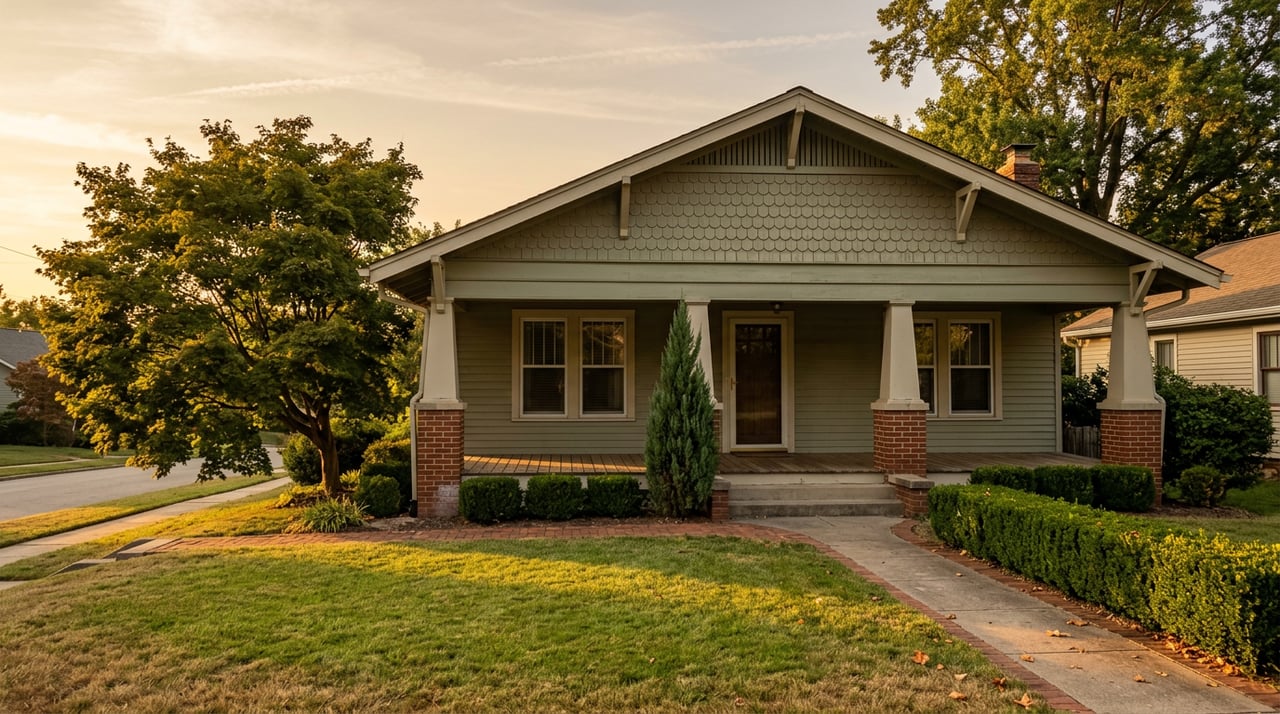
If you want a classic Boise setting with strong river access, East End and the Warm Springs corridor are often the most distinctive options. The City of Boise describes the East End Historic District as a 39-block residential neighborhood made up mostly of single-family homes, with access via Jefferson Street and Warm Springs Avenue, plus alleys, sidewalks, and grassy median strips.
Warm Springs Avenue has its own appeal. The city describes the Warm Springs Avenue Historic District as one of Boise’s premier residential neighborhoods, known for broad tree-lined sidewalks, generous setbacks, and its role as a gateway extending east from the city’s commercial center.
For buyers, that often translates to a neighborhood experience with established streetscapes and easy access to the river corridor. If your ideal day includes a walk or bike ride near the Greenbelt before or after time downtown, this part of Boise tends to support that rhythm well.
Southeast Boise and Barber Valley
Southeast Boise offers a broader mix of settings. The City of Boise’s planning policy says this area ranges from urban to low-rural density and includes older infill areas, Bown Crossing, and planned communities such as Harris Ranch.
That variety gives you more than one version of river-adjacent living. In some spots, you may be closer to established streets and services, while other areas lean more toward newer development, open space, and a park-and-trail-oriented feel.
Barber Valley is especially important if you are focused on outdoor access. The city identifies it as southeast of downtown, Boise’s eastern gateway, and a gateway to the foothills, with the Boise River Wildlife Management Area, the Boise River Greenbelt, foothills trail access, and a land-use pattern with 44.3% devoted to park, recreation, and open space.
That combination can be a strong fit if you want your neighborhood to connect easily to both river and foothills activity. It also places you closer to one of the city’s most well-known summer traditions, the Boise River float.
Downtown Riverfront and BSU Area
If you want the most urban version of Boise River living, focus on the downtown riverfront and the Boise State area. The Greenbelt map shows bridge links between Boise State University and Julia Davis Park, between Ann Morrison Park and River Street, and routes that pass under several downtown bridges.
This is where river access, parks, and civic amenities overlap most closely. The city’s Downtown Parks plan describes Julia Davis Park as Boise’s cultural and historic center, which helps explain why this area feels especially connected to the heart of the city.
For buyers who want fewer car trips and a more walkable routine, this part of the corridor may feel the most convenient. You are not just near the river here. You are near some of Boise’s busiest public spaces and strongest links between recreation and day-to-day errands.
Parks and Trail Destinations to Know
Living near the Boise River often means having several recognizable destinations woven into your routine. A few key stops along the corridor help define how people use the area.
Ann Morrison Park is one of the best-known anchors. The City of Boise describes it as a large park with a playground, ballfields, tennis courts, an 18-hole disc golf course, bocce courts, and horseshoe pits.
Kathryn Albertson Park offers a different experience. The city describes it as an urban wildlife habitat with three-quarter-mile walking loops, which makes it feel quieter and more focused on strolling and observing the landscape.
Julia Davis Park plays a central role downtown. Because it is identified by the city as Boise’s cultural and historic center, it often feels like a meeting point between river recreation, public spaces, and downtown activity.
On the east side, Barber Park matters for a very practical reason. It serves as the Boise River float put-in, making it a major seasonal destination during warm-weather months.
What Commuting Looks Like Near the River
One of the most useful things to know is that river-adjacent living in Boise can support actual commuting, not just recreation. In the right part of the corridor, you may be able to rely more on a mix of biking, walking, and transit than you would in a more typical suburban pattern.
Valley Regional Transit says Route 17 Warm Springs/Parkcenter connects Main Street Station in downtown Boise to Millspur Way via Warm Springs Avenue and Parkcenter Boulevard. It serves destinations including St. Luke’s Boise Medical Center, Idaho Botanical Garden, Golda Harris Nature Preserve, Marianne Williams Park, and other stops along the corridor.
Other routes also strengthen access. VRT says Route 3 Vista connects downtown Boise to the airport by way of Boise State University, and Route 2 Broadway connects downtown, Boise State, southeast Boise, and the airport.
For you as a buyer, this means location near the river can influence more than scenery. Depending on the neighborhood, it may also support simpler trips to downtown, better airport access, and a stronger bike-and-bus option for everyday movement.
Seasonal Rhythms Along the River
The Boise River feels different in each season, and that affects the nearby lifestyle. Summer is the clearest example because of the Boise River float.
Ada County says the standard float runs about 6 miles from Barber Park to Ann Morrison Park, takes roughly 2 to 3 hours, and draws more than 125,000 participants in a typical year. The county also notes that Barber Park is about 6 miles from downtown on Eckert Road between Warm Springs and Boise avenues.
If you live on the east side of the corridor, you may be especially close to this seasonal activity. For some buyers, that is a major plus because it adds energy and easy access to a classic Boise summer tradition.
For others, the practical reality is worth considering. River living usually means a more public and shared environment, especially near major parks, float access points, and heavily used Greenbelt segments.
The Tradeoffs of Living Near the Boise River
The biggest advantage of living near the river is simple: access. You can be close to trails, parks, open space, and in some parts of the corridor, downtown amenities and transit connections too.
The biggest tradeoff is also simple: popularity. The Greenbelt is an active public corridor with clear rules, regular use, and a steady mix of walkers, runners, cyclists, and other users during open hours.
That means riverfront or river-adjacent living may not feel private in the way a more isolated subdivision might. If you value a lively, connected setting, that can be a benefit. If you prefer quieter edges and less public activity, it is something to weigh carefully.
How to Choose the Right River Area
The best Boise River neighborhood for you depends on the kind of routine you want to build. A beautiful location only works if it fits how you actually plan to live.
If you want a historic Boise feel, East End and Warm Springs may be the strongest match. If you want newer development with easy access to open space, Southeast Boise and Barber Valley may offer more of what you need. If you want a walkable, urban rhythm with close ties to downtown and Boise State, the downtown riverfront area may stand out most.
When you tour homes near the Boise River, pay attention to more than the map. Think about park access, Greenbelt activity, your likely commute, and whether you want to be near seasonal destinations like Barber Park or Ann Morrison Park.
Living near the Boise River can be a great fit when the neighborhood matches your daily habits, not just your wish list. If you want help comparing Boise neighborhoods and finding the right balance of trails, access, and everyday convenience, Jan Larison can help you explore your options with practical local guidance.
FAQs
What is the Boise River Greenbelt in Boise?
- The Boise River Greenbelt is a nearly 25-mile pathway described by the City of Boise as linking more than a dozen major parks, stretching west past Willow Lane Athletic Complex and east into Barber Valley.
Which Boise neighborhoods offer a historic feel near the river?
- The East End and Warm Springs corridor are the most distinctive historic-feeling options near the river, with established residential blocks, sidewalks, and strong access to the Greenbelt.
What is Southeast Boise river living like?
- Southeast Boise offers a mix of settings, from older infill areas to planned communities, with parts of the area closely tied to open space, the Greenbelt, and foothills access.
Is downtown Boise a good fit for river access?
- Downtown Boise offers one of the most connected river lifestyles, with links between Boise State, Julia Davis Park, Ann Morrison Park, and other central destinations.
What should buyers know about the Boise River float?
- Ada County says the standard float runs about 6 miles from Barber Park to Ann Morrison Park, takes around 2 to 3 hours, and is a major seasonal activity that shapes summer life near the corridor.
What are the tradeoffs of living near the Boise River in Boise?
- The main tradeoff is that river access comes with a more active, public environment, especially along busy Greenbelt segments and near major parks or float access points.