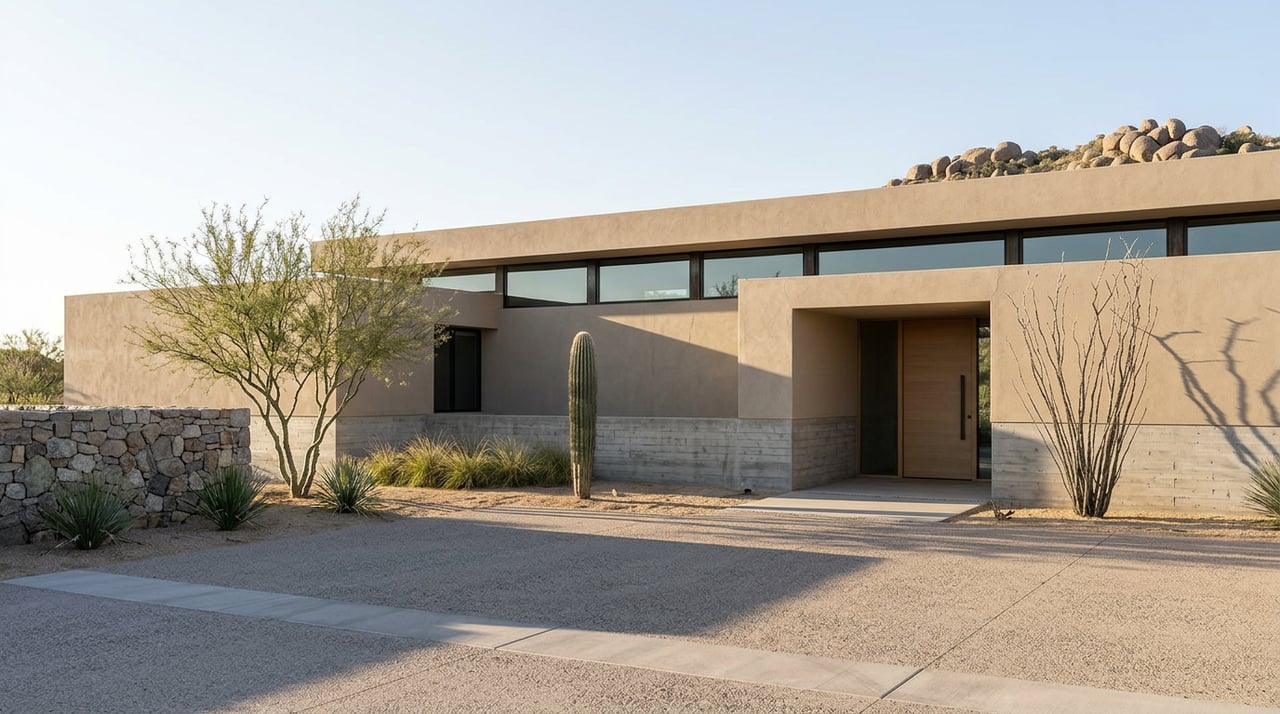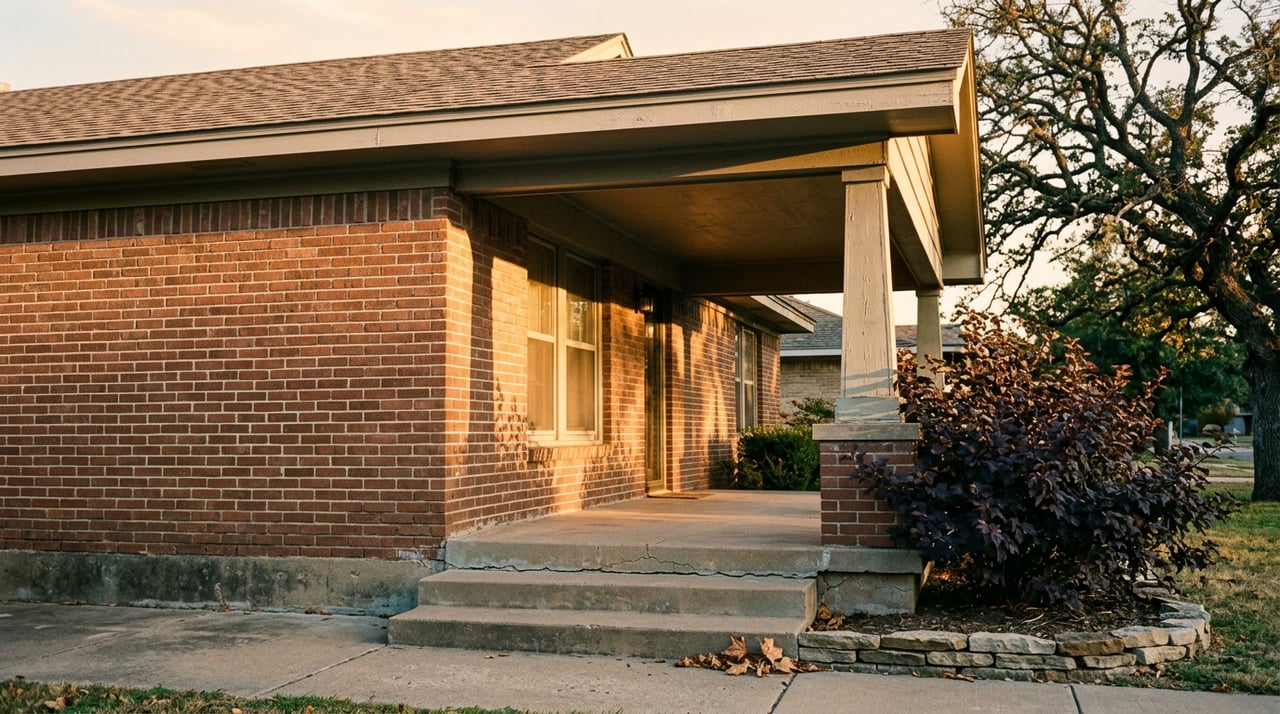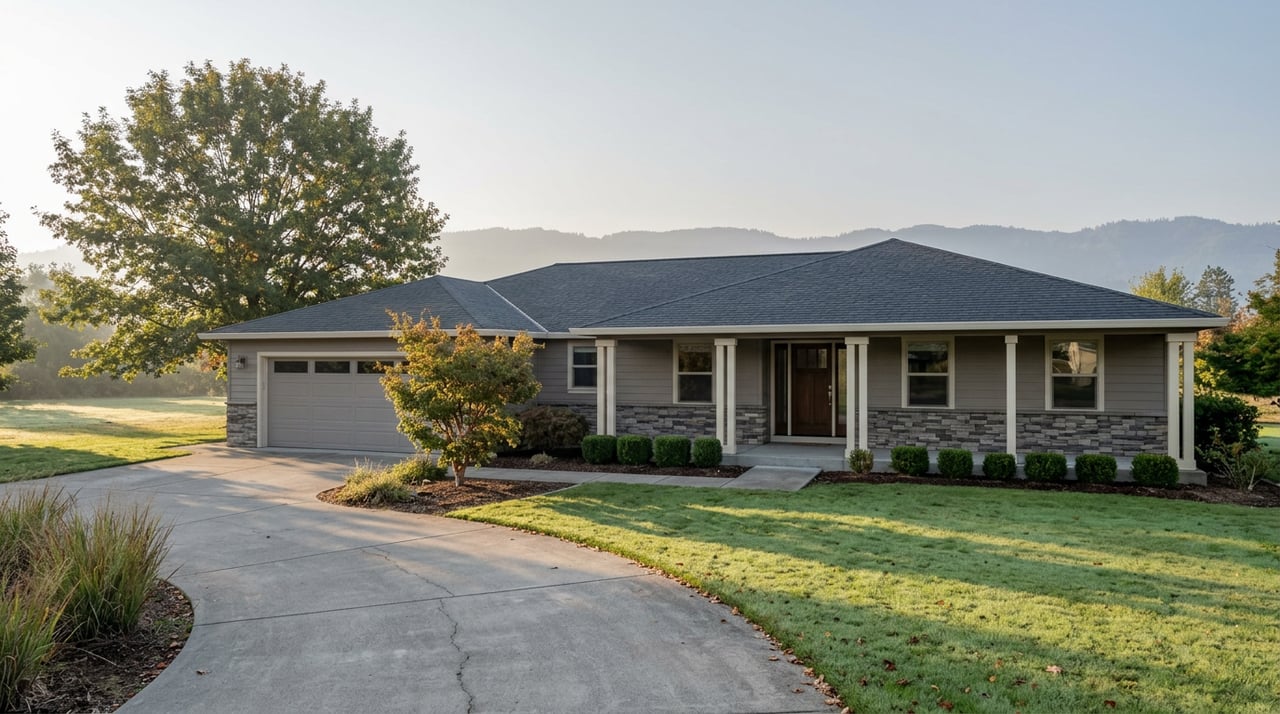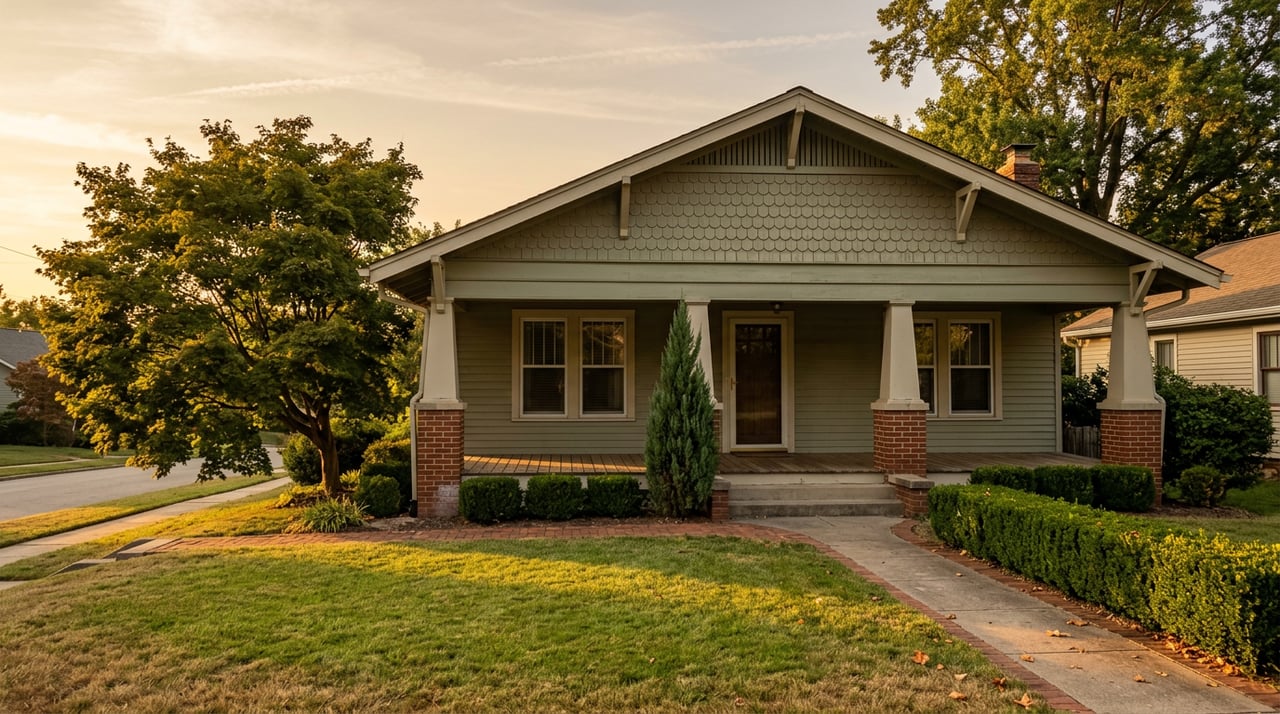
Tami Springer and her husband built a small addition behind their North End home years ago, a place to add space and rent out on a limited basis whenever they weren't using it themselves. At the time, that kind of arrangement worked because North End owners had quietly been building backyard units under looser local practice for longer than almost anywhere else in the city. What Springer had access to informally, every qualifying Boise homeowner now has as a matter of state law.
That shift matters more than it sounds, because it lands directly on top of a number buyers already think they understand: price per square foot.
The Story the Portals Tell
Anyone comparing Boise neighborhoods this year has already seen the split. North End homes carried a median sale price of $749,748 in May 2026, up 6.5% from a year earlier, though they're sitting longer, 14 days on market compared with 8 days the year before. Southeast Boise is running even hotter: a median sale price of $565,000 over the three months ending in July 2026, up 7.6% year over year, at $356 a square foot, with homes moving in about 8 days. Southwest Boise City sits well below both, at $495,000 over the three months ending in May 2026 and $290 a square foot, with homes taking closer to 20 days to sell. West Bench, meanwhile, actually cooled, down 5.2% year over year in May 2026, even as its days on market tightened to 10.
Citywide, Boise's median sale price over the three months ending in June 2026 was $535,000 at $325 a square foot, up 5.9% from last year.
Line those numbers up and the obvious read is that price per square foot tracks desirability: charming, walkable, historic streets cost more, plainer Bench blocks cost less, and Southeast's proximity to the river and Boise State explains its own premium. That reading isn't wrong. It's just incomplete, because it leaves out a variable that only became uniform across the entire city on July 1 of this year.
What Changed on July 1
Boise had already loosened its own ADU rules well before the state got involved. The city's zoning code rewrite, effective December 1, 2023, raised the maximum accessory dwelling unit size from 700 to 900 square feet, dropped the requirement for an extra off-street parking space, and lifted owner-occupancy in most residential zones. The effect was immediate. The city had averaged 61 ADU permits a year between 2019 and 2023. In 2024, the first full year under the new code, that number jumped to 130, a 113% increase, before settling to 82 constructed or approved in 2025. When Boise's senior planner presented the first year's numbers to city council, she described what happened to ADUs in one phrase: they "stole the show."
Sightline Institute, tracking the same surge, noted that Boise's pace of applications in the months right after the code took effect put the city on track to exceed Seattle's 2019 ADU production, despite having barely a third of Seattle's population.
What Boise's local code didn't fully settle was ownership. A 2023 state bill, watered down before passage, only protected internal ADUs on owner-occupied properties from HOA bans, leaving cities free to still require an owner to live on-site for anything detached. Senate Bill 1354 closed that gap. Signed by Governor Brad Little on March 31, 2026 and effective July 1, 2026, it eliminates owner-occupancy requirements outright in any Idaho city over 10,000 people, and it stops homeowners associations from enforcing new covenants against ADUs without the owner's written consent. Cities have until February 1, 2027 to update their local codes to match, but the state floor is already in place.
Put simply: as of this summer, the right to add a second, independently rentable dwelling on a qualifying single-family lot, without living in either unit yourself, exists everywhere in Boise. It's no longer a North End quirk.
Where the Backyard Math Doesn't Match the Price Tag
Here's the part the price-per-square-foot number hides. In the first year after the 2023 code change, 54 of the city's new ADUs went up in the North End and East Boise combined, the two areas with the longest history of building them. That head start makes sense: smaller, older lots with existing alley access and an established pattern of neighbors who'd already done it.
It's also where the friction sits. North End properties carry historic overlay status, which layers on additional design review beyond what a standard residential lot requires. City code specifically constrains new structures from exceeding the height of adjacent dwellings by more than one story or 12 feet when built within 15 feet of a shared lot line, a rule that bites harder on older, narrower parcels than it does on a standard suburban lot. Add the character-matching expectations that come with a historic district, and a North End ADU project can take longer and cost more to design before a shovel ever hits the ground.
Meanwhile, the same council presentation that reported the North End's early lead also noted that Central Bench, West Bench, and Southeast Boise grew their share of approved ADU applications in year two. Those areas tend to have the more standard 5,000-square-foot-plus R-1 lots the city's own guidance points to as the baseline for eligibility, without the overlay review that slows projects in the historic core. Boise has also released eight free pre-approved ADU plans, drawn up by Parke Architecture and ranging from a 280-square-foot studio called the Goldfinch to a 695-square-foot two-bedroom called the Kestrel, specifically to cut the design costs the city says can otherwise run upward of $10,000 for a custom plan. A lot that fits one of those plans without a variance moves through the four-stage approval process faster than one that needs historic compatibility sign-off first.
So the inversion is this: the neighborhood commanding the steepest premium and the longest ADU track record is also the one where adding to that premium now takes the most time and design cost. The cheaper Bench lot, with a plainer facade and a lower price per square foot, may have an easier and faster path to the same legal second unit, just as state law made that unit available to every qualifying owner regardless of zip code.
What to Actually Check Before You Compare Two Listings
- Lot size and zoning district. Most R-1 lots need roughly 5,000 square feet to qualify; ask early rather than assuming.
- Historic district or overlay status. It doesn't disqualify an ADU, but it adds a design review step a standard Bench lot won't face.
- Whether one of the city's eight pre-approved plans fits the lot, which can shortcut both design cost and review time.
- Existing HOA covenants and when they were recorded, since older covenants that predate the current law may still carry some enforceability.
- Setback and comparable-scale rules specific to the parcel, since these vary by zone and by proximity to a shared lot line.
FAQ
Does Senate Bill 1354 apply outside Boise's city limits? No. The law applies only inside Idaho cities with populations above 10,000, which includes Boise, Nampa, and Meridian. Properties in unincorporated Ada County fall under separate county rules.
Does the new law remove every local restriction on ADUs? No. Boise still enforces its own dimensional standards, setback rules, and design review, including the added layer that applies in historic districts. What the state law removes is the requirement that the property owner live on-site, and it limits how HOAs can restrict ADUs going forward.
If you're weighing two Boise listings and the price per square foot doesn't line up with what you'd expect from the neighborhood, that gap is worth a conversation before an offer, not after. Jan Larison and the team at Larison Real Estate work these comparisons block by block across the Treasure Valley. Schedule a Free Consultation and we'll walk the lot, not just the listing sheet, with you.