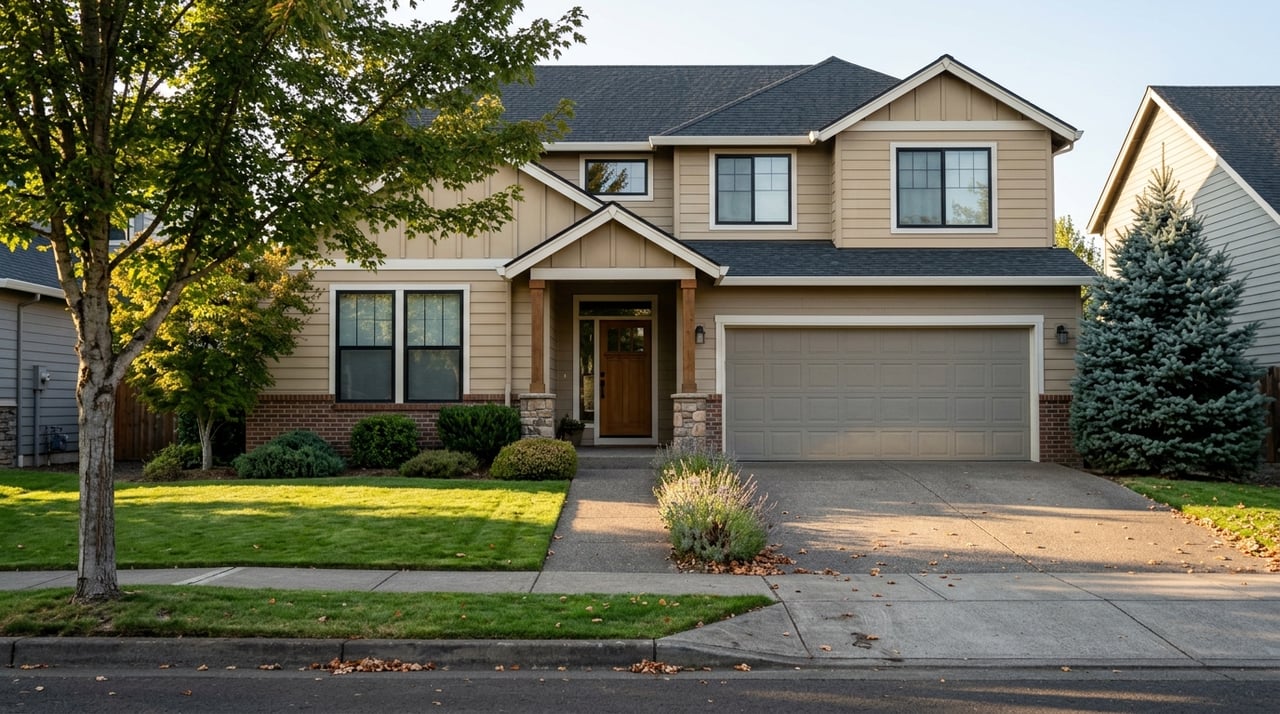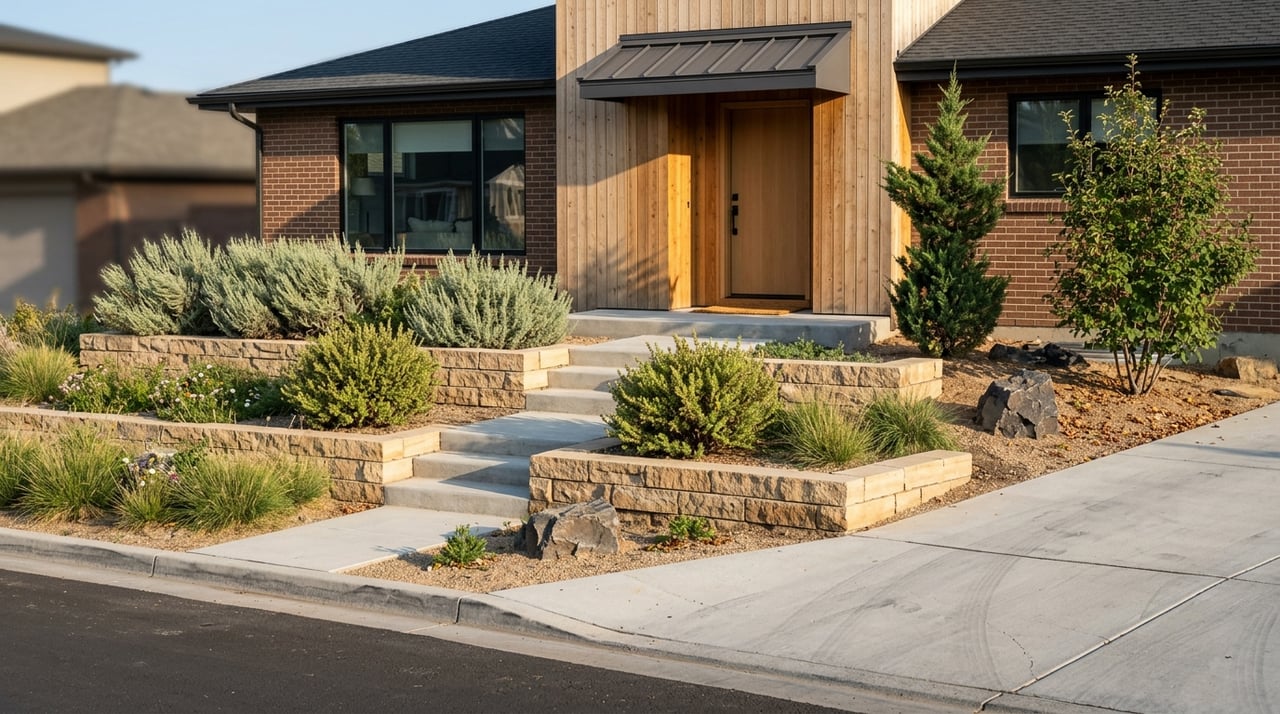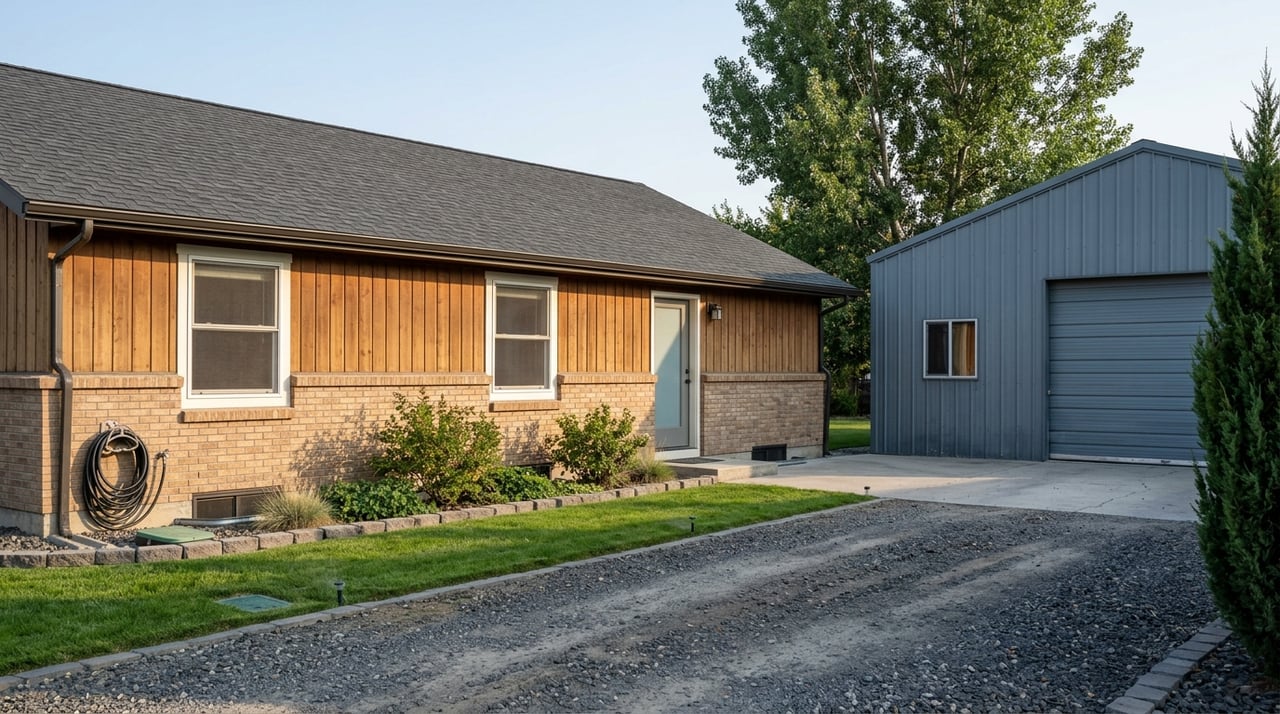
Dreaming of more space without giving up Boise entirely? If you want elbow room, open views, and a quieter pace, but still need reasonable access to city amenities, semi-rural living near Boise can be a great fit. The challenge is that “semi-rural” means different things depending on where you look, what zoning allows, and how much infrastructure is already in place. This guide will help you understand where to look, what to expect, and which questions matter most before you buy. Let’s dive in.
What Semi-Rural Means Near Boise
In the Boise and Ada County market, semi-rural living is not one single neighborhood style. It usually means lower-density housing, larger lots, and a mix of rural and urban services depending on the area.
That can range from foothills neighborhoods with open-space access and a lower-density feel to true acreage properties in Eagle, Star, Kuna, or unincorporated Ada County. In other words, semi-rural living is often less about a label and more about land size, infrastructure, and what the zoning allows.
Boise-Area Places To Consider
Northwest Boise and the Foothills
If you want to stay closest to Boise, Northwest Boise and the foothills are often the first places buyers consider. Local planning documents describe a strong desire for open space, wildlife, quieter surroundings, long views, and access to nature.
Areas near Hidden Springs and other foothills locations can offer the closest Boise-city version of a semi-rural lifestyle. These areas are not typically true acreage markets, but they can provide a lower-density feel and strong access to trails and open-space networks.
Boise’s foothills policies also make an important point for buyers. Development is limited in some areas by sewer, water, drainage, fire-fighting capacity, and other infrastructure, so what you can do with a property may depend heavily on location-specific conditions.
Eagle and the Eagle Foothills
For buyers who want more land and a clearer rural edge, Eagle stands out. The city’s planning framework preserves a Rural Planning Area intended for large-lot, rural, and agricultural uses.
In Eagle, residential density in some rural areas is capped at 1 home per 5 acres south of Homer Road and 1 home per 10 acres north of Homer Road. The city also identifies uses such as vineyards, wineries, stables, riding arenas, and active agriculture in these rural areas, which makes Eagle one of the clearest semi-rural and land-focused markets near Boise.
If your goal is a property with room for outbuildings, horses, or agricultural use, Eagle is often high on the list. It offers a practical mix of proximity to the metro and a more defined rural pattern.
Star
Star appeals to buyers who want a rural feel without moving too far from the Treasure Valley growth corridor. The city’s planning materials call for Rural Residential lots in the 2-to-5-acre range in certain areas.
What makes Star notable is its stated preference for preserving rural-residential patterns in strategic locations rather than converting every edge area into standard suburban subdivisions. For buyers, that can mean better opportunities to find larger lots intended to remain part of the area’s long-term character.
Kuna and South Ada County
Kuna is another area worth watching if you want more land and a rural-feeling setting. The city’s planning documents emphasize keeping its rural character and agricultural roots while still making room for growth.
Semi-rural options in Kuna often show up as edge-of-town acreage, larger-lot splits, or planned developments with more open land than a typical subdivision. Local code allows some lot splits with a 1-acre minimum, while some planned development projects require a minimum lot area of 3 acres.
For buyers who want a balance of affordability, space, and access to the broader Boise area, Kuna can offer appealing possibilities. As always, the exact use of the property depends on the parcel and applicable approvals.
Unincorporated Ada County
If you want the most straightforward acreage zoning near Boise, unincorporated Ada County is often where you find it. The county’s Rural Residential district has a 10-acre base lot size and is specifically intended to protect agricultural land, wildlife and recreation resources, and a rural lifestyle.
This can be a strong fit if your priority is land first and neighborhood amenities second. It is also the kind of area where due diligence becomes especially important because services, utilities, and access can vary significantly from property to property.
What Homes and Lots Usually Look Like
Across the Boise-area semi-rural spectrum, the most common home type is still a single-family detached house. What changes most is the lot size and the range of uses a parcel may support.
In Kuna, some lot splits can start at 1 acre. In Star, Rural Residential lots are typically planned in the 2-to-5-acre range. In Eagle’s rural planning area, density can be as low as 1 home per 5 or 10 acres, and Ada County’s Rural Residential district starts at 10 acres.
That shift in lot pattern often means more custom homes, ranch-style layouts, shops, barns, RV storage, horse facilities, and hobby-farm structures than you would usually find in central Boise neighborhoods. In some areas, accessory units or secondary farm or caretaker dwellings may be possible, but those rules are parcel-specific and tied to zoning, lot size, platting, or conditional approval.
A good way to think about it is this: the farther you move along the semi-rural spectrum, the more the property itself becomes part of your daily lifestyle. You are not just buying a house. You are often buying land use potential, service limitations, and a different maintenance routine.
Why Zoning Matters So Much
With semi-rural property, the listing is only part of the story. The zoning, plat, and any development agreement can shape what you are actually allowed to do on the land.
For example, a property may feel rural but still have tighter restrictions than you expect. Another parcel may allow shops, barns, agricultural structures, or animal-related uses that make it far more flexible for your goals.
That is why parcel-level verification matters. If you are considering acreage, hobby-farm uses, horse facilities, or a secondary dwelling, you will want to confirm those details before you move too far into the process.
Utilities and Services To Check First
Price is important, but utilities and services often have the biggest day-to-day impact on semi-rural living. Water, sewer, access, and emergency services deserve close attention.
Water Source
In Ada County, water may be provided by private, quasi-public, or public entities rather than the county itself. Some properties may rely on private wells where groundwater is available.
If a home has a private well, testing matters. Idaho DEQ says private wells are not regulated under the Safe Drinking Water Act, and owners should test annually for nitrate and coliform bacteria.
Sewer or Septic
Homes outside public sewer service often use septic systems. Idaho DEQ says septic systems require permits and licensed installation.
This is one of the first practical questions to ask because it affects maintenance, inspections, and future plans for the property. If you are comparing homes, sewer versus septic can change both cost expectations and long-term upkeep.
Road Access and Addressing
Road access matters more than many buyers expect. You should ask whether the road is public or private and whether the parcel has accepted addressing.
Ada County notes that standardized addressing is important for 911 service, and addresses are assigned after final plat recording. On rural and semi-rural property, clear access and confirmed addressing can affect convenience as well as emergency response.
Fire Service
Fire protection is another key detail. County permitting guidance notes that fire inspection by the local fire district is required.
Knowing which fire district serves a property helps you understand how the home fits into the area’s service network. This is especially important in foothill and edge-of-town locations where infrastructure can vary.
Irrigation Water
Irrigation rights and ditch access can be major value drivers on acreage. Ada County’s planning materials note that irrigation water is provided by canal and ditch companies, not the county.
If you are buying land for animals, gardens, pasture, or small-scale agricultural use, irrigation access may be just as important as the home itself. It is a detail you do not want to leave unanswered.
Electric Service
Idaho Power is the regional electric utility serving southern Idaho. Even so, you should still confirm what a specific property needs.
For example, a parcel may require new service drops, trenching, or electrical upgrades for wells, pumps, or shops. On acreage, these costs can affect your total budget more than buyers sometimes expect.
Questions To Ask Before You Buy
When you tour a semi-rural property near Boise, keep your questions focused on how the land functions, not just how the home shows. A beautiful setting is only part of the picture.
Here are some smart questions to ask on every property:
- Is the home on city water or a private well?
- Is it connected to sewer, or does it use a septic system?
- Is the road public or private?
- Which fire district serves the property?
- Is there irrigation water or ditch access?
- Does the zoning or plat allow shops, barns, secondary dwellings, or animal-related uses?
How To Narrow Your Search
The best semi-rural area for you depends on what matters most in your day-to-day life. If staying close to Boise is the top priority, the foothills and Northwest Boise may give you the lifestyle feel you want with easier city access.
If your focus is larger lots and stronger agricultural or acreage potential, Eagle, Star, Kuna, and unincorporated Ada County may offer better options. The right fit often comes down to how much land you want, how much infrastructure you need, and what you plan to do with the property.
That is where practical guidance can save you time. When you understand the tradeoffs early, it becomes much easier to target the right area and avoid properties that do not match your goals.
If you are exploring semi-rural living near Boise and want clear, local guidance on acreage, land use, and property fit, connect with Jan Larison to schedule a free consultation.
FAQs
What does semi-rural living near Boise usually mean?
- Semi-rural living near Boise usually means lower-density housing, larger lots, and a mix of rural and urban services, with the exact setup depending on the city, county, and zoning.
Which Boise-area locations are best known for semi-rural properties?
- Buyers often look at Northwest Boise and the foothills, Eagle, Star, Kuna, and unincorporated Ada County, each with a different mix of lot size, rural character, and access to services.
What lot sizes are common for semi-rural property near Boise?
- Common patterns include 1-acre lot splits in some parts of Kuna, 2-to-5-acre rural residential lots in Star, 5-to-10-acre rural densities in Eagle, and 10-acre base lots in Ada County’s Rural Residential district.
What utilities should buyers check on a semi-rural Boise-area home?
- Buyers should confirm water source, sewer or septic service, road type, addressing, fire district coverage, irrigation access, and whether electrical upgrades may be needed.
Why is zoning important when buying acreage near Boise?
- Zoning matters because it can determine whether a property allows uses such as shops, barns, agricultural structures, secondary dwellings, or animal-related activities, and parcel-specific rules may differ from the general area pattern.
Are Boise foothills properties the same as true acreage properties?
- No. Boise foothills properties may offer open space, trail access, and a lower-density feel, but they are generally different from true acreage markets with larger lot sizes and more rural land-use potential.